


Abstract Background management during venoarterial (ECMO) is particularly difficult in postcardiotomy shock patients given a significant bleeding risk. We sought to determine the effect of treatment on bleeding and thrombosis risk for..
Read More
Abstract Background There is now extension of minimally invasive techniques to involve concomitantly aortic and mitral valves through a single small incision. We share our experience in such surgeries through..
Read More
Abstract Background and objectives The increment in a patient’s haemoglobin level is based upon the haemoglobin content of the transfused RBC units. The total haemoglobin present in the blood bags..
Read More
Abstract Background Chronic thromboembolic pulmonary hypertension (CTEPH) is optimally treated by pulmonary thromboendarterectomy (PEA). Treatment effectiveness has been evaluated principally using single-center series. Data from the Society of Thoracic Surgeons..
Read More
Abstract Introduction The aim of the current study was to evaluate the impact of increased blood lactate levels during cardiopulmonary bypass (CPB) on immediate results in patients who underwent open..
Read More
Abstract Intra-operative blood salvage (IBS) reduces the use of allogeneic blood transfusion. However, safety of IBS during liver transplantation (LT) for hepatocellular carcinoma (HCC) is questioned due to fear for..
Read More
Abstract Acute brain injury (ABI) increases morbidity and mortality in patients with veno-arterial extracorporeal membrane oxygenation (VA-ECMO). Optimal neurologic monitoring methods have not been well-explicated. We studied the use of..
Read More
Abstract BACKGROUND The relicensing of aprotinin in Europe and Canada has stimulated discussions on its usefulness in paediatric cardiac surgery. OBJECTIVE To systematically evaluate the available evidence on the efficacy..
Read More
Abstract Purpose: Data regarding the incidence of a coagulable state following heat stroke as assessed by Sonoclot signature analysis are limited. Our purpose was to appraise coagulopathy using a dynamic test..
Read More
Abstract Background: Postoperative pneumonia (POP) is one of the most common infections following heart valve surgery (HVS) and is associated with a significant increase in morbidity, mortality, and health care..
Read More
Abstract Context and Aims: To describe current fluid and vasopressor practices after cardiac surgery in Australia and New Zealand cardiothoracic intensive care units (ICU). Design and Setting: This web-based survey was conducted..
Read More
Abstract Background The can be cannulated for antegrade directly or by employing a prosthetic anastomosed to the artery. Methods From 2008 until 2019, 688 patients underwent axillary artery . Of those, 287 underwent direct..
Read More
Abstract Background: Although conventional cardiopulmonary bypass (cCPB) is still the most widely used method in open heart surgery, methods such as retrograde autologous priming (RAP) are increasingly popular in terms..
Read More
Abstract Background Coagulopathy and following massive bleeding are complications of cardiovascular surgery, particularly occurring after procedures requiring prolonged cardiopulmonary bypass (CPB). Reliable and rapid tests for coagulopathy are desirable for..
Read More
Abstract Objective Postoperative pulmonary complications (PPCs) are common incidents associated with an increased hospital stay, readmissions into the intensive care unit (ICU), increased costs, and mortality after cardiac surgery. Our..
Read More
Abstract BACKGROUND: Bleeding is one of the commonest complications affecting children undergoing cardiac surgery on cardiopulmonary bypass. Antifibrinolytic drugs are part of a multifaceted approach aimed at reducing bleeding, though..
Read More
Abstract Background: The aim of this study is to compare the efficacy of the microplegia solution and Del Nido cardioplegia solution in coronary artery bypass surgery with clinical, biochemical, and..
Read More
Abstract Background: Crystalloid cardioplegic solutions are believed to reduce hemoglobin significantly and increase the transfusion rate. However, recent reports indicate that the del Nido cardioplegia may preserve blood morphology parameters...
Read More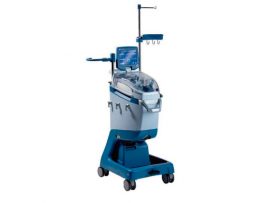
Abstract Background: In this study, we aimed to investigate the effect of using autologous blood recovery systems on transfusion-related complications in patients undergoing lung transplantation and cardiovascular surgeries. Methods: Between May 2016..
Read More
Abstract Objective To evaluate the effects of administering tranexamic acid (TXA) after cardiopulmonary bypass, instead of after anesthesia induction, on postoperative seizures and blood transfusion requirements. Methods Adult patients who..
Read More
Abstract Extracorporeal Membrane Oxygenation (ECMO) is commonly associated with a high blood transfusion requirement. Jehovah’s Witness patients present a particular challenge. The impossibility of transfusing blood cells and starting anticoagulation..
Read More
Abstract Background Fluid administration is a key tool in the maintenance of normovolemia in patients with cardiac surgery. The trials that evaluated the safety of 6% hydroxyethyl starch (HES) 130/0.4..
Read More
Abstract Purpose The mainstay of therapy for coagulation factor deficiency in cardiac surgical patients is frozen plasma (FP); however, prothrombin complex concentrates (PCCs) may offer logistical and safety advantages. As..
Read More
Abstract Background Extracorporeal cardiopulmonary resuscitation (eCPR) is a rapidly growing treatment strategy due to increasing survival rates in selected patients. Additional left ventricular mechanical unloading, using a transfemoral micro-axial blood..
Read More
Abstract Introduction Weaning from cardiopulmonary bypass (CPB) is a critical step of any cardiac surgical procedure and often requires pharmacologic intervention. Calcium ions are pivotal elements for the excitation-contraction coupling..
Read More
Abstract Background: The hypothermic circulatory arrest (HCA) is an indispensable step in the surgical treatment of an acute type A aortic dissection (ATAAD), which could greatly affect the postoperative outcome. We..
Read More
Abstract Objectives The aim was to evaluate changes in the coagulation profile of cyanotic neonates, to analyze the effects of cardiopulmonary bypass (CPB) with crystalloid priming on their coagulation status,..
Read More
Abstract Introduction: Modified ultrafiltration (MUF) is employed at the termination of cardiopulmonary bypass (CPB) in pediatric and neonatal patients undergoing congenital heart surgery to reduce the accumulation of total body..
Read More
Abstract Background Elevated plasma free hemoglobin is associated with multi-organ injury. In this context, minimally invasive extracorporeal technologies represent a way to reduce this complication following cardiac surgery. Methods We..
Read More
Abstract Objectives The authors aimed to assess whether untreated preoperative anemia was associated with increased risk for adverse outcomes after the arterial switch operation in neonates with dextro-transposition of the..
Read More