


Abstract Background and aim Thoracotomy approaches to left ventricular assist device (LVAD) implantation may reduce surgical morbidity and, through preservation of the pericardial restraint over the right heart, may reduce..
Read More
Abstract Background Acute kidney injury is a severe complication following cardiopulmonary bypass (CPB) and is associated with capillary leakage and microcirculatory perfusion disturbances. CPB-induced thrombin release results in capillary hyperpermeability..
Read More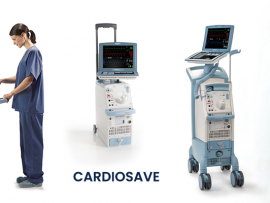
Abstract The modern day CPB circuit consists of a series of tubing, pumps, oxygenator, heat exchanger, and numerous safety and electrical components that allow for complete circulatory support, regulation of..
Read More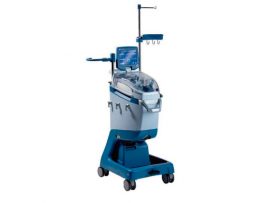
Abstract Objectives: The objective of this work was to carry out a systematic review of clinical practice guidelines (CPGs) pertaining to intraoperative red blood cell (RBC) transfusions, in terms of..
Read More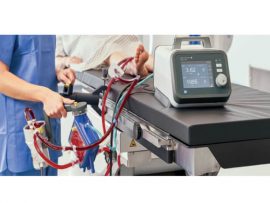
Abstract Neonatal extracorporeal membrane oxygenation (ECMO) is a life-saving procedure for critically ill neonates suffering from a potentially reversible disease, causing severe cardiac and/or respiratory failure and refractory to maximal..
Read More
Abstract BLEEDING is a well-documented and frequently encountered complication after cardiac surgery, affecting roughly 2%-to-10% of all patients. Major bleeding is a known risk factor for significant morbidity and mortality..
Read More
Abstract Objectives The aim of this study was to present an artificial neural network (ANN) model for the accurate estimation of in-hospital mortality and to demonstrate the validity of the..
Read More
Abstract Improvements in the care of children with cardiomyopathy, CHDs, and acquired heart disease have led to an increased number of children surviving with advanced heart failure. In addition, the..
Read More
Abstract Purpose: Among acute respiratory distress syndrome (ARDS) patients in intensive care units, the efficacy of lung recruitment maneuver (LRM) use is uncertain taking into account the most recent randomized..
Read More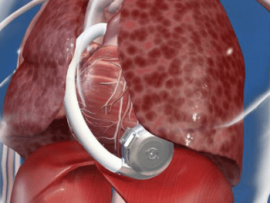
Abstract Background This single-center, retrospective study evaluates the impact of hepatic steatosis on outcomes after continuous-flow left ventricular assist device (LVAD) implantation. Methods Adults undergoing LVAD implantation between 2004 and..
Read More
Abstract Introduction: Despite extensive evidence that shows clinical of superiority of MiECC, worldwide penetration remains low due to concerns regarding air handling and volume management in the context of a..
Read More
Abstract Objectives The aim of this study was to evaluate the prognostic impact of cerebral regional oxygen saturation (crSO2) in patients undergoing surgery for Stanford type A aortic dissection (TAAD)...
Read More
Abstract BACKGROUND: The standardized management of anticoagulation during the cardiopulmonary bypass seems inaccurate because of patients and surgeries variability. This study evaluates if an individualized management of heparin and protamine..
Read More
Abstract Aim: This study aimed to evaluate the efficacy of the resin hemoperfusion device (HA380 hemoperfusion cartridge) on inflammatory responses during adult cardiopulmonary bypass (CPB). Methods: Sixty patients undergoing surgical valve replacement..
Read More
Abstract Objectives The objective of this study was to identify novel serum biomarkers specific to postoperative delirium after major cardiac surgery to provide insight into the pathologic processes involved in..
Read More
Abstract Background Intra-operative cell salvage (IOCS) and leukocyte-depleted filter (LDF) are widely used and effective in saving blood. However, the safety issue concerning reinfusion of IOCS–LDF processed blood to renal..
Read More
Abstract Background Variability in transfusion outcomes and excessive postoperative bleeding represents a significant problem in cardiac surgery. The effort to reduce bleeding complications and transfusion outcomes is desirable. Our study..
Read More
Abstract The use of cardiopulmonary bypass (CPB) can be associated with significant hemodilution, coagulopathy and a systemic inflammatory response for infants and children undergoing cardiac surgery. Intra-operative ultrafiltration has been..
Read More
Abstract The 4Ts and HIT-Expert Probability (HEP) scoring tools for heparin-induced thrombocytopenia (HIT) have not been validated in cardiac surgery patients, and the reported sensitivity and specificity of the Post-Cardiopulmonary..
Read More
Abstract Evaluate the utility of whole-body computed tomography (WBCT) imaging in detecting clinically significant findings in patients who have undergone extracorporeal membrane oxygenation (ECMO) cannulation for cardiac arrest (extracorporeal cardiopulmonary..
Read More
Abstract Severely hypothermic patients, especially suffering cardiac arrest, require highly specialized treatment. The most common problems affecting the recognition and treatment seem to be awareness, logistics, and proper planning. In..
Read More
Abstract Objective To explore whether pre-cannulation international normalized ratio (INR) is associated with in-hospital mortality in veno-arterial extracorporeal membrane oxygenation (VA-ECMO) patients. Design Retrospective observational cohort study. Setting Quaternary care..
Read More
Abstract Prone position quickly imposed as a cornerstone in the management of patients with acute respiratory distress syndrome (ARDS) induced by coronavirus disease 2019 (COVID-19) [1, 2]. The response to..
Read More
Abstract Acute kidney injury (AKI) is now recognized as a heterogeneous syndrome that not only affects acute morbidity and mortality, but also a patient’s long-term prognosis. In this narrative review,..
Read More
Abstract Objective Currently, several near-infrared spectroscopy oximetry devices are used for detecting cerebral ischemia during cardiopulmonary bypass (CPB) surgery. We investigated whether two different models of near-infrared spectroscopy oximetry devices..
Read More
Abstract Purpose: Invasive pulmonary aspergillosis (IPA) is increasingly reported in patients with severe coronavirus disease 2019 (COVID‑19) admitted to the intensive care unit (ICU). Diagnosis and management of COVID‑19 associated..
Read More
Abstract Delirium is an important public health problem. It is independently associated with worse clinical outcomes, including persistent cognitive impairment, increased mortality, and greater risk of institutionalization [1]. The prevalence..
Read More
Abstract Background has become accepted as a rescue therapy for cardiopulmonary shock, and there have been over 100,000 (ECMO) cases since 1987. Rapid growth has presented ethical challenges and concerns. Here, we discuss..
Read More
Abstract Background is an unrecognized risk factor for after cardiac surgery. We sought to study the prevalence of preoperative hyponatremia and its impact on short-term and long-term outcomes after cardiac surgery...
Read More
Abstract Since the outbreak of the coronavirus disease 2019 (COVID-19) pandemic, more than 153 million cases have been confirmed, and more than 3.20 million individuals have died worldwide. The strategies..
Read More