


Abstract Context and Aims: To describe current fluid and vasopressor practices after cardiac surgery in Australia and New Zealand cardiothoracic intensive care units (ICU). Design and Setting: This web-based survey was conducted..
Read More
Abstract Background: Cardiopulmonary bypass (CPB) may lead to tissue hypoxia, inflammatory response, and risk for acute kidney injury (AKI). We evaluated the prevalence of AKI and inflammatory response in neonates undergoing..
Read More
Abstract Introduction: Many donor organs contain significant leukocyte reservoirs which upon transplantation activate recipient leukocytes to initiate acute rejection. We aimed to assess whether non-ischemic heart preservation via ex vivo perfusion promotes immunodepletion..
Read More
Abstract Background Current cardiac surgery risk algorithms and quality measures focus on perioperative outcomes. However, delivering high-value, patient-centered cardiac care will require a better understanding of long-term patient-reported quality of..
Read More
Abstract Background The can be cannulated for antegrade directly or by employing a prosthetic anastomosed to the artery. Methods From 2008 until 2019, 688 patients underwent axillary artery . Of those, 287 underwent direct..
Read More
Abstract Executive Summary surgical patients are at risk of increased disease severity. Several important factors influence the administration of the coronavirus disease vaccine in the . This guidance statement outlines current information..
Read More
Abstract Background The aim of the study was to evaluate the educational achievement of patients diagnosed with physiology (UVHP) or transposition of the (TGA) after neonatal cardiac surgery. Methods An exploratory online..
Read More
Abstract Introduction Although the technology used for extracorporeal life support (ECLS) has improved greatly in recent years, the application of these devices to the patient is quite complex and requires..
Read More
Abstract Background Corticosteroids suppress the inflammatory response to in children undergoing cardiac surgery. What is less clear is the impact of corticosteroids on the postoperative course. Methods A systematic review and..
Read More
Abstract We have miniaturized and optimized our implantable rotary blood pump developed to provide long-term mechanical right heart support for patients who have failing Fontan circulation. The objective of this..
Read More
Abstract Anticoagulation in extracorporeal membrane oxygenation (ECMO) is challenging, with significant morbidity and mortality associated with thrombotic complications. Unfractionated heparin (UFH) is commonly used, which depends on native antithrombin (AT)..
Read More
Abstract Introduction The impact of Impella and ECMO (ECPELLA) in (CS) remains to be defined. The aim of this meta-analysis is to evaluate the benefit of ECPELLA compared to VA-ECMO in..
Read More
Abstract The researchers realized that more than half a million people in America suffer cardiac arrest each year. In Europe, more that quarter a million people suffer out of hospital..
Read More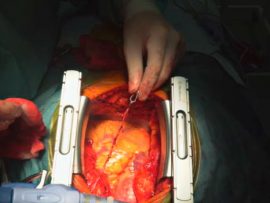
Abstract Patients with coronavirus disease 2019 (COVID-19) can present with a large panel of cardiac manifestations, including myocardial infarction with (type 1) or without (type 2) obstructive coronary artery disease,..
Read More
Abstract Introduction Low mean arterial pressure (MAP) periods occur frequently during cardiopulmonary bypass (CPB), and their management remains controversial. Our aim was to correlate MAP during CPB with the occurrence..
Read More
The Role of Multimodality Imaging in Athlete’s Heart Diagnosis: Current Status and Future Directions
Abstract “Athlete’s heart” is a spectrum of morphological and functional changes which occur in the heart of people who practice physical activity. When athlete’s heart occurs with its most marked..
Read More
Abstract BACKGROUND: We sought to examine potential associations between pediatric postcardiac surgical hematocrit values and postoperative complications or mortality. METHODS: A retrospective, cross-sectional study from the Society of Thoracic Surgeons..
Read More
Abstract Objectives To evaluate whether there is a relationship between preoperative anemia and domain-specific cognitive performance in patients undergoing cardiac surgery. Design Retrospective analysis of data collected from a randomized..
Read More
Abstract Hematocrit (Hct) values after the initiation of cardiopulmonary bypass (CPB) must be maintained appropriately to avoid perioperative complications. Therefore, an accurate prediction is required. However, the standard prediction equation..
Read More
Abstract OBJECTIVES Cardiopulmonary bypass in cardiac surgery has been associated with several deleterious effects including haemodilution and systemic inflammation. Modified ultrafiltration (MUF) has been well established in paediatric cardiac..
Read More
Abstract Background: Extracorporeal membrane oxygenation (ECMO) is increasingly utilized for pediatric sepsis unresponsive to steroids and inotropic support. Outcomes of children with sepsis are influenced by the type of pathogen causing..
Read More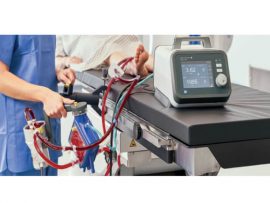
Abstract Aims Knowledge about the impact of epinephrine on the outcome in venoarterial (VA) extracorporeal membrane oxygenation (ECMO) patients is limited, and existing data are conflicting. Methods and results We..
Read More
Abstract Extracorporeal membrane oxygenation (ECMO) contributes to coagulopathy, necessitating systemic anticoagulation to prevent thrombosis. Traditionally, unfractionated heparin (UFH) has been the anticoagulant of choice, however, due to many inadequacies new evidence suggests..
Read More
Abstract Background: Although conventional cardiopulmonary bypass (cCPB) is still the most widely used method in open heart surgery, methods such as retrograde autologous priming (RAP) are increasingly popular in terms..
Read More
Abstract Objective To compare the incidence and severity of acute kidney injury following open heart surgery with cardiopulmonary bypass in children after administration of exogenous nitric oxide. Design Retrospective cohort..
Read More
Abstract Une unité spéciale de médecins pratique des opérations cardiaques au plus près des malades, sur les trottoirs de… Paris ! De la médecine "de guerre" en temps de paix. Un..
Read More
Abstract Background Artificial lungs have the potential to serve as a bridge to transplantation or recovery for children with end-stage lung disease dependent on extracorporeal life support, but such devices..
Read More
Abstract Inflammation and thrombosis are two major complications of blood-contacting catheters that are used as extracorporeal circuits for hemodialysis and life-support systems. In clinical applications, complications can lead to increased..
Read More
Abstract Background Coagulopathy and following massive bleeding are complications of cardiovascular surgery, particularly occurring after procedures requiring prolonged cardiopulmonary bypass (CPB). Reliable and rapid tests for coagulopathy are desirable for..
Read More