


Abstract Objectives The basic materials and structure of a hemoconcentrator incorporated into cardiopulmonary bypass (CPB) circuits are similar to those of hemodialyzers. Gravity drainage hemodiafiltration (GHDF) is an easy-to-use intraoperative..
Read More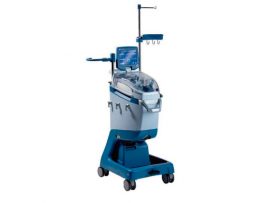
Abstract Purpose: Cell salvage is the process by which blood lost in surgery is collected and washed or filtered to produce autologous blood for re-transfusion to the patient. Cell salvage aims..
Read More
Abstract Purpose of review The particular fields within patient blood management (PBM) and patient safety reviewed here include novel insights into bleeding therapy, autologous cell salvage, and perioperative anemia therapy. Recent finding World Health Organization..
Read More
Abstract Patients undergoing cardiac surgery represent a challenge in terms of pain management due to multiple factors relating to the patients and to the procedure itself. Our aim was to..
Read More
Abstract OBJECTIVES: Although existing guidelines recommend commencing cannulation for extracorporeal cardiopulmonary resuscitation (ECPR) within 10–20 minutes of failed conventional resuscitation efforts for cardiac arrest, there is little supportive evidence. The present study..
Read More
Abstract Extracorporeal membrane is a technique that provides short-term supports to the heart and lungs. It removes CO2 from the blood and provides enough oxygen, which is a huge help in the..
Read More
Abstract Background Error reporting is vital for the prevention of medical errors. Despite the importance of error reporting, underreporting of medical errors is a common reality in many countries. Therefore, barriers to error..
Read More
Abstract The pulse oximeter is a device that estimates a person’s oxygen saturation level, a measure of the oxygen concentration in their blood, by shining light through their tissue, typically..
Read More
Abstract Neurocognitive changes are the most common complication after cardiac surgery, ranging from acute postoperative delirium to prolonged postoperative neurocognitive disorder. Changes in cognition are distressing to patients and families..
Read More
Abstract Extracorporeal membrane oxygenation (ECMO) is an emerging treatment modality associated with a high frequency of antibiotic use. However, several covariables emerge during ECMO implementation, potentially jeopardizing the success of..
Read More
Abstract Despite increasing early rehabilitation and mobilisation (ERM) in paediatric intensive care, current evidence for ERM of neonatal and paediatric patients receiving extracorporeal membrane oxygenation (ECMO) is limited. The proposed..
Read More
Abstract Extracorporeal membrane oxygenation (ECMO) has been advancing rapidly due to a combination of rising rates of acute and chronic lung diseases as well as significant improvements in the safety..
Read More
Abstract Heart Donation after Circulatory Death (DCD) has the potential to significantly increase the number of patients benefitting from . However, the expansion of DCD is currently limited by unanswered questions pertaining..
Read More
Abstract Background The aim of this study was to construct a nomogram model for discriminating the risk of delirium in patients undergoing cardiovascular surgery. Methods From January 2017 to June..
Read More
Abstract Objectives To study the timing, threshold, and duration of intraoperative hypotension (IOH) associated with the risk of (POD). Design A single-center retrospective observational study. Setting University teaching hospital. Participants A..
Read More
Abstract Hypoxemia, a medical condition that occurs when the blood is not carrying enough oxygen to adequately supply the tissues, is a leading indicator for dangerous complications of respiratory diseases..
Read More
Abstract Objective To investigate if oxygen delivery index during (DO2I) was more strongly associated with (AKI), the higher the patient's preoperative pulse pressure (PP). Design Retrospective cohort of 1064 patients undergoing cardiac..
Read More
Abstract Objectives: To investigate the effect of albumin exposure in ICU after cardiac surgery on hospital mortality, complications, and costs. Design: A retrospective, single-center cohort study with economic evaluation. Setting:..
Read More
Abstract Albumin has been used in clinical medicine for more than seven decades. At the time of circulation and deairing of asanguineous primes during CPB, many programs will first remove..
Read More
Prognosis of Venoarterial Extracorporeal Membrane Oxygenation in Mixed, Cardiogenic and Septic Shock
Abstract Mixed cardiogenic-septic shock (MS), defined as the combination of cardiogenic (CS) and septic (SS) shock, is often encountered in cardiac intensive care units. Herein, the authors compared the impact of..
Read More
Abstract We read with great interest the EuroECMO-COVID study in The Lancet Respiratory Medicine. Roberto Lorusso and colleagues should be congratulated for this important research, which contributes to our understanding of the..
Read More
Abstract Aims This study aims to outline the ‘true’ natural history of ascending thoracic aortic aneurysm (ATAA) based on a cohort of patients not undergoing surgical intervention. Methods and results..
Read More
Abstract Introduction The intra-aortic balloon pump (IABP) is one of the most utilized cardiac assist devices. Patients receiving IABP therapy are typically managed in high acuity clinical care areas with..
Read More
Abstract Objectives: Evidence of cerebrovascular complications in COVID-19 requiring venovenous extracorporeal membrane oxygenation (ECMO) is limited. Our study aims to characterize the prevalence and risk factors of stroke secondary to COVID-19 in patients on venovenous ECMO. Design: We analyzed..
Read More
Abstract BACKGROUND Obesity is an important health problem in cardiac surgery and among patients requiring post-cardiotomy veno-arterial extracorporeal membrane oxygenation (V-A ECMO). Still, it remains unclear whether these patients are..
Read More
Abstract The temporal trends in haematological parameters and their associations with blood product transfusion requirements in patients supported with extracorporeal membrane oxygenation (ECMO) are poorly understood. We performed a retrospective..
Read More
Abstract Veno-venous extracorporeal membrane oxygenation (VV ECMO) is used as a treatment modality in those who fail to respond to conventional care. Hypoxia and medications used in the intensive care unit..
Read More
Abstract Background Despite systemic anticoagulation and antithrombotic surface coating, oxygenator dysfunction remains one of most common technical complications of Extracorporeal membrane oxygenation (ECMO). Several parameters have been associated with an..
Read More
Abstract High-risk/massive pulmonary embolism (PE) has a high mortality rate, especially when cardiac arrest occurs. Venoarterial (V-A) extracorporeal membrane oxygenation (ECMO) can rapidly restore and maintain circulation while a decision..
Read More