


Abstract Objectives We aimed to evaluate how the current working climate of surgery and burnout experienced by surgeons influences their spouses and significant others (SOs). Methods A 33-question well-being survey was developed..
Read More
Abstract is a refractory disease caused by microbial invasion of the bone, leading to destruction of the . It is more common in children. Osteomyelitis requires long at high cost and is..
Read More
Abstract Anemia and red blood cell transfusion are associated with adverse outcomes. Large randomized trials have demonstrated that restrictive transfusion strategies can safely reduce patient exposure to transfusion, forming a..
Read More
Abstract Background: From 2013 onwards, a large outbreak of Mycobacterium chimaera (MC) invasive infection, which was correlated with the use of contaminated heater–cooler units (HCUs) during open chest surgery, was reported..
Read More
Abstract BACKGROUND: Red blood cell (RBC) transfusions are used frequently in pediatric patients admitted to the intensive care unit (ICU) after cardiac surgery. To improve data-driven transfusion decision-making in the..
Read More
Abstract Objectives The purpose of this study was to investigate and compare the effects of 20 ml/kg and 15 ml/kg (RBCT) on cerebral and intestinal tissue oxygenation, the number of administered transfusions, and..
Read More
Abstract Cardiothoracic surgery using cardiopulmonary bypass (CPB) triggers an inflammatory state that may be difficult to differentiate from infection. Heparin-binding protein (HBP) is a candidate biomarker for sepsis. As data..
Read More
Abstract OBJECTIVES: Postoperative patients after congenital cardiac surgery are at high risk of fluid overload (FO), which is known to be associated with poor outcomes. “Fluid creep,” or nonresuscitation IV..
Read More
Abstract Background and objectives (VVR) is the most common adverse reaction during blood donation and it is the main element for the safety of the patients with preoperative autologous blood..
Read More
Abstract Introduction: According to different authors, cardiac surgery-associated acute kidney injury (CSA-AKI) incidence can be as high as 20–50%. This complication increases postoperative morbidity and mortality and impairs long-term kidney..
Read More
Abstract The development of new extracorporeal blood purification (EBP) techniques has led to increased application in clinical practice but also inconsistencies in nomenclature and misunderstanding. In November 2022, an international..
Read More
Abstract OBJECTIVES The use of cardiopulmonary bypass (CPB) in cardiac surgery is a major risk factor for postoperative bleeding. We hypothesized that consumptive coagulopathy and haemodilution influence the coagulation factors;..
Read More
Abstract Objective: This study aimed to investigate the correlation between the number of bypassed vessels, the duration of Cardiopulmonary bypass, blood transfusion requirements, revision rates, and mortality outcomes. The objective..
Read More
Abstract Cardiopulmonary bypass (CPB) provides cerebral oxygenation and blood flow (CBF) during neonatal congenital heart surgery, but the impacts of CPB on brain oxygen supply and metabolic demands are generally..
Read More
Abstract Objective: Extracorporeal circulation (ECC) is generally based on standards established in the last decade. In recent years, a concept of perfusion management during ECC, goal-directed perfusion (GDP), has emerged..
Read More
Abstract Technical advances in extracorporeal membrane oxygenation (ECMO) have increased the number of cases that maintain longer duration. Long-term use of ECMO results in ECMO-related complications. Anticipation of the life-threatening..
Read More
Abstract Estimating thresholds when a threshold effect exists has important applications in biomedical research. However, models/methods commonly used in the biomedical literature may lead to a biased estimate. For patients..
Read More
Abstract For single-lumen veno-pulmonary extracorporeal membrane oxygenation (VP ECMO) cannulation in percutaneous technique, vascular ultrasound (U/S) and transesophageal echocardiography (TEE) guidance were used to insert a 7 Fr pulmonary artery..
Read More
Abstract The describes the network of the smallest vessels in our cardiovascular system. On a microcirculatory level, oxygen delivery is determined by the flow of oxygen-carrying in a given single capillary (capillary..
Read More
Abstract I read with keen interest the article by van Minnen et al. on contemporary mechanical ventilation strategies during extracorporeal membrane oxygenation (ECMO). The article specifies details on ventilation practices employed in..
Read More
Abstract Extracorporeal membrane oxygenation (ECMO) is a temporary lifesaving treatment for critically ill patients with severe respiratory or cardiac failure. Studies demonstrated the feasibility of in-hospital mobilizing during and after..
Read More
Abstract Cardiogenic shock (CS) is a complex and life‐threatening condition characterized by a sudden and profound reduction in cardiac output, leading to inadequate tissue perfusion and oxygen delivery and organ..
Read More
Abstract National trends show rapid increases in the use of mechanical circulatory support devices (MCSD) over the last 20 years. While current literature has not proven a mortality benefit in..
Read More
Abstract Purpose: Venoarterial extracorporeal membrane oxygenation (V-A ECMO) can be used to support severely ill patients with cardiogenic shock. While age is commonly used in patient selection, little is known..
Read More
Abstract Purpose Anemia reduces the blood’s ability to carry and deliver oxygen. Following cardiac surgery, anemia is very common and affects up to 90% of patients. Nevertheless, there is a..
Read More
Dose-dependent influence of red blood cell transfusion volume on adverse outcomes in cardiac surgery
Abstract Introduction Red blood cell (RBC) transfusion is associated with adverse outcomes, but there are few studies on the RBC volume. This study aimed to evaluate the relationship between intraoperative..
Read More
Abstract Objective: This study was performed to evaluate the effect of a homemade autotransfusion pressure-control system on the regulation of negative pressure and to clarify the influence of different negative pressures..
Read More
Abstract Background Nontechnical skills in cardiac surgery are vital in ensuring patient safety in the operating room (OR). To train these skills in a simulation-based scenario, a collection of commonly..
Read More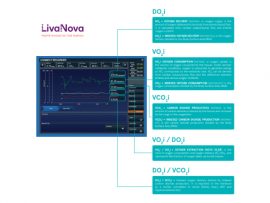
Abstract Introduction: Nowadays, many cardiac surgery teams are adopting the goal-directed perfusion (GDP) strategy in their practice to maintain optimal perfusion during cardiac surgeries and improve patient outcomes. Furthermore, it plays..
Read More
Abstract Direct true lumen through aortic for during surgery for acute Stanford type A was reported by Jacob, followed by Conzelmann who used a tourniquet to snag the . Since 2013, Samurai cannulation, a modified version..
Read More