


Abstract Background: Current diagnostic strategies for acute kidney injury (AKI) after cardiac surgery with cardiopulmonary bypass (CPB) are nonspecific and limited. Previously, we demonstrated that circulating microparticles (MPs) in patients with..
Read More
Abstract Objective: The aim of this study was to elucidate the cognitive processes involved in surgical procedures from the perspective of different team roles (surgeon, anesthesiologist, and perfusionist) and provide..
Read More
Abstract Background Acute kidney injury (AKI) occurs in 42%–64% of the neonatal patients experiencing cardiac surgery, contributing to postoperative morbidity and mortality. Current diagnostic criteria, which are mainly based on..
Read More
Abstract Background Systemic inflammation contributes to cardiac surgery–associated acute kidney injury (AKI). Cardiomyocytes and other organs experience hypothermia and hypoxia during cardiopulmonary bypass (CPB), which induces the secretion of cold-inducible..
Read More
Abstract Objectives This study aimed to develop the Perfusionists' Intraoperative Non-Technical Skills tool, specifically to the perfusionists' context, and test its inter-rater reliability. Methods An expert panel was convened to..
Read More
Abstract Background The opioid epidemic has seen a drastic increase in the incidence of drug-associated infective endocarditis (IE). No clinical tool exists to predict operative morbidity and mortality in patients..
Read More
Abstract Aims Women’s participation is steadily growing in medical schools, but they are still not sufficiently represented in cardiology, particularly in cardiology leadership positions. We present the contemporary distribution of..
Read More
Abstract Objective: Risk assessment tools typically used in congenital heart surgery (CHS) assume that various possible risk factors interact in a linear and additive fashion, an assumption that may not..
Read More
Abstract Background: Acute kidney injury (AKI) is a common and serious complication faced by children following ventricular septal defect (VSD) surgery with cardiopulmonary bypass (CPB). The objective of this study was..
Read More
Abstract Thoracoabdominal aortic aneurysm (TAAA) surgery is an extensive surgical undertaking, and adjuncts to decrease complications have varying results and individual pitfalls. We describe a modified “branch-first” TAAA open repair..
Read More
Abstract During 50 years of extracorporeal life support (ECLS), this highly invasive technology has left a considerable imprint on modern medicine, and it still confronts researchers, clinicians and policymakers with multifarious..
Read More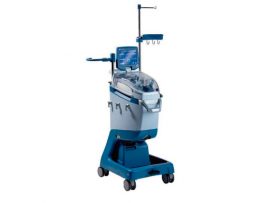
Abstract Objectives: The objective of this work was to carry out a systematic review of clinical practice guidelines (CPGs) pertaining to intraoperative red blood cell (RBC) transfusions, in terms of..
Read More
Abstract Purpose: Among acute respiratory distress syndrome (ARDS) patients in intensive care units, the efficacy of lung recruitment maneuver (LRM) use is uncertain taking into account the most recent randomized..
Read More
Abstract Acute kidney injury (AKI) is now recognized as a heterogeneous syndrome that not only affects acute morbidity and mortality, but also a patient’s long-term prognosis. In this narrative review,..
Read More
Abstract Cardioplegic solutions are used in cardiac surgery to achieve controlled cardiac arrest during operations, making surgery safer. Cardioplegia can either be blood or crystalloid based, with perceived pros and..
Read More
Abstract The vast majority of children with congenital heart disease (CHD) in high-income countries survive into adulthood. Further, paediatric cardiac services have expanded in middle-income countries. Both evolutions have resulted..
Read More
Abstract Highlights • Hemolysis due to CPB leads to an increase of serum free Hemoglobin(fHb) level. • Increase of serum fHb level had an independent association with postoperative AKI. •..
Read More
Blood transfusion is a critical and life-saving facet of the care for cardiothoracic surgery patients. Inherent to the transfusing of blood is the understanding of the preservation of blood as..
Read More
Abstract Background Acute Kidney Injury (AKI) represents a clinical condition with poor prognosis. The incidence of AKI in hospitalized patients was about 22–57%. Patients undergoing cardiac surgery (CS) are particularly..
Read More
Abstract OBJECTIVES This study aims to improve early detection of cardiac surgery-associated acute kidney injury (CSA-AKI) compared to classical clinical scores. METHODS Data from 7633 patients who underwent cardiac..
Read More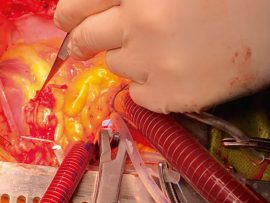
Abstract Postoperative coagulopathic bleeding is common in cardiac surgery and is associated with increased morbidity and mortality. Ideally, real-time information on in-vivo coagulation should be available. However, up to now..
Read More
Abstract Purpose: Purpose: Condensation that clogs the hollow fibers of the oxygenation and accumulation of plasma leaks reduces oxygenated lung capacity. In this study, artificial We evaluated whether monitoring changes..
Read More
Abstract Background We sought to determine differences in the circulating metabolic profile of infants with or without acute kidney injury (AKI) following cardiothoracic surgery with cardiopulmonary bypass (CPB). Methods We..
Read More
Abstract The importance of teamwork in health care delivery and patient safety is increasingly being recognized and has benefitted substantially by adopting a human factors' perspective and approach. The scientific..
Read More
Abstract Systemic hypertension (HTN) is a recognized complication of veno-venous (VV) extracorporeal membrane oxygenation (ECMO) in children. We sought to determine the prevalence and associated features of HTN in a..
Read More
Abstract The COVID-19 pandemic significates an enormous number of patients with pneumonia that get complicated with severe acute respiratory distress syndrome (ARDS), some of them with refractory hypercapnia and hypoxemia..
Read More
Abstract A wide QRS complex tachycardia (WCT) is defined as a tachycardia with QRS duration of >120 ms. Distinguishing between the different potential causes of a WCT can have important..
Read More
Abstract Objectives To evaluate the association of intraoperative urinary biomarker excretion during cardiac surgery and the subsequent development of acute kidney injury (AKI). Design Prospective, nonrandomized, observational study. Setting Single..
Read More
Abstract Allogenic blood is a scarce, precious, and expensive resource that is not always available on demand. After termination of cardiopulmonary bypass, a large amount of residual pump blood remains..
Read More
Abstract Purpose We compared a restrictive fluid management strategy to usual care among critically ill patients with acute kidney injury (AKI) who had received initial fluid resuscitation. Methods This multicenter..
Read More