


Abstract Purpose: Venoarterial extracorporeal membrane oxygenation (V-A ECMO) can be used to support severely ill patients with cardiogenic shock. While age is commonly used in patient selection, little is known..
Read More
Abstract Purpose Anemia reduces the blood’s ability to carry and deliver oxygen. Following cardiac surgery, anemia is very common and affects up to 90% of patients. Nevertheless, there is a..
Read More
Dose-dependent influence of red blood cell transfusion volume on adverse outcomes in cardiac surgery
Abstract Introduction Red blood cell (RBC) transfusion is associated with adverse outcomes, but there are few studies on the RBC volume. This study aimed to evaluate the relationship between intraoperative..
Read More
Abstract Objective: This study was performed to evaluate the effect of a homemade autotransfusion pressure-control system on the regulation of negative pressure and to clarify the influence of different negative pressures..
Read More
Abstract Background Nontechnical skills in cardiac surgery are vital in ensuring patient safety in the operating room (OR). To train these skills in a simulation-based scenario, a collection of commonly..
Read More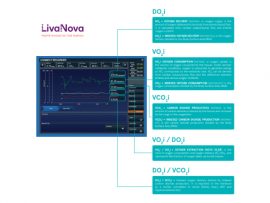
Abstract Introduction: Nowadays, many cardiac surgery teams are adopting the goal-directed perfusion (GDP) strategy in their practice to maintain optimal perfusion during cardiac surgeries and improve patient outcomes. Furthermore, it plays..
Read More
Abstract Direct true lumen through aortic for during surgery for acute Stanford type A was reported by Jacob, followed by Conzelmann who used a tourniquet to snag the . Since 2013, Samurai cannulation, a modified version..
Read More
Abstract There has been an increase in the use of extracorporeal membrane oxygenation (ECMO) to bridge critically ill patients to lung transplant (LTX). This study evaluates how ambulatory status on..
Read More
Abstract Background Autotransfusion following vaginal delivery has not been as widely adopted and existing data on this topic are limited to small case series. Methods This is a single-center retrospective..
Read More
Abstract Background: This study investigated the clinical outcomes at the minimum and maximum levels of hematocrit (HCT) during cardiopulmonary bypass (CPB) in low-risk patients undergoing coronary artery bypass graft (CABG)..
Read More
Abstract Background The most common complication of thoracic aortic disease with shaggy aorta is cerebral infarction. We have performed “low-flow perfusion” as a method of extracorporeal circulation to prevent cerebral..
Read More
Abstract Objective: Postoperative delirium (POD) is strongly associated with poor early and long-term prognosis in cardiac surgery patients with cardiopulmonary bypass (CPB). This study aimed to develop dynamic prediction models for..
Read More
Abstract Enhanced Recovery After Surgery (ERAS) programs have been shown to lessen surgical insult, promote recovery, and improve postoperative clinical outcomes across a number of specialty operations. A core tenet..
Read More
Abstract Left ventricular (LV) unloading has been shown to improve survival for patients requiring veno-arterial extracorporeal membrane oxygenation (VA ECMO) support for cardiogenic shock. A mortality benefit has been shown..
Read More
Abstract Purpose: We aimed to conduct a systematic review and meta-analysis to assess the effects of anemia and anemia severity on patient outcomes in cardiac surgery and determine whether preoperative treatments..
Read More
Abstract Background and objective: Extracorporeal membrane oxygenation (ECMO) has been successfully and widely used in adult patients for the past 5 years. About 50% of these patients can survive and are..
Read More
Abstract Purpose A human cadaveric model combining standard lung protective mechanical ventilation and modified cardiac bypass techniques was developed to allow investigation into automated modes of detection of venous air..
Read More
Abstract BACKGROUND: Arterial hyperoxemia may cause end-organ damage secondary to the increased formation of free oxygen radicals. The clinical evidence on postoperative lung toxicity from arterial hyperoxemia during cardiopulmonary bypass..
Read More
Abstract Sepsis is a life-changing condition that can occur undergoing . It is characterized by a dysregulated inflammatory response to infection, often leading to higher rates of organ dysfunction and mortality. The..
Read More
Abstract Background This study aims to improve nursing students’ ability to care for critically ill patients through education in extracorporeal membrane oxygenation (ECMO) nursing. Methods This study developed a virtual..
Read More
Abstract Objective Lung transplantation remains limited by the shortage of healthy organs. Cross-circulation with a healthy swine recipient provides a durable physiologic environment to recover injured donor lungs. In a..
Read More
Abstract Introduction Individualized heparin and protamine management is increasingly used as a strategy to reduce coagulation activation and bleeding complications. While it is associated with increased heparin requirements during Cardiopulmonary..
Read More
Abstract Phosphodiesterases (PDEs) are a superfamily of enzymes that hydrolyze cyclic nucleotides, including cyclic adenosine monophosphate (cAMP) and cyclic guanosine monophosphate (cGMP), critical secondary messengers in the neurohormonal regulation in..
Read More
Abstract Background Anaemic cardiac surgery patients are at greater risk of intraoperative red blood cell transfusion. This study questions the application of the World Health Organization population-based anaemia thresholds (haemoglobin..
Read More
Abstract The venous system constitutes a vital component of the human circulatory system, facilitating the return of deoxygenated blood from tissues and organs back to the heart. During cardiac surgeries..
Read More
Abstract Objective: To associate surgeon-anesthesiologist team familiarity with cardiac surgery outcomes. Background: Team Familiarity (TF), a measure of repeated team member collaborations, has been associated with improved operative efficiency; however,..
Read More
Abstract Objective: To define a reference chart comparing pressure drop vs. flow generated by a set of arterial cannulae currently utilized in cardiopulmonary bypass conditions in pediatric surgery. Methods: Cannulae from two..
Read More
Abstract Background. Pulmonary hypertension (PH) is a common complication of congenital heart disease (CHD). With early surgical intervention, outcomes have improved over the last two decades. Persistent PH, however, may..
Read More
Abstract Introduction Intraoperative myocardial protection during aortic valve replacement (AVR) for aortic stenosis (AS) is of paramount importance for outcomes. The dose of cardioplegia is usually calculated with reference to body mass. Aim..
Read More
Abstract Background Patient temperature during extracorporeal membrane oxygenation (ECMO) is commonly managed by dedicated heating units (HUs) that are integrated into ECMO circuitry. Currently, no HU has received approval for..
Read More