


Abstract Background: Adequate organ perfusion during cardiopulmonary bypass (CPB) requires accurate estimation and adjustment of flow rates which conventional methods may not always achieve. Perioperative monitoring of cerebral oxygen saturation..
Read More
Abstract Objective To characterize cognitive workload (CWL) of cardiac surgery team members in a real-world setting during coronary artery bypass grafting (CABG) surgery using providers’ heart rate variability (HRV) data..
Read More
Abstract Background Elevated renin has been shown to predict poor response to standard vasoactive therapies and is associated with poor outcomes in adults. Similarly, elevated renin was associated with mortality..
Read More
Abstract Background Limited data exist to characterize maternal and fetal outcomes during pregnancy undergoing cardiac operations using cardiopulmonary bypass. Methods A retrospective review was performed of all pregnant individuals who..
Read More
Abstract Human fibrinogen (FIB) has been clinically proven to be considerably effective for the treatment of postoperative bleeding, with reported cases of allergic reactions to human FIB being rare. Here,..
Read More
Abstract Cardiopulmonary bypass (CPB), an extracorporeal method necessary for the surgical correction of complex congenital heart defects, incites significant inflammation that affects vascular function. These changes are associated with alterations..
Read More
Abstract Introduction: Since its origin in the 1920s, electroencephalography (EEG) has become a viable option for anesthesia and perfusion teams to monitor anesthetic delivery, optimizing drug dosage and enhancing patient safety...
Read More
Abstract When native blood flow through the aorta from the adult heart and lungs meets retrograde blood flow from an artificial heart and lung during venoarterial extracorporeal membrane oxygenation (VA-ECMO),..
Read More
Novel Technique for Aortic Root Replacement Art and Science of combination of Homograft Root Replacement with Cabrol interposition Tubular Graft for Coronary Ostia Reimplantation. Dr.Sam Zeraatian Nejad Davani, CEO of..
Read More

Abstract Objectives Extracorporeal cardiopulmonary resuscitation (eCPR) is a promising treatment that could improve survival for refractory out-of-hospital (OHCA) patients. Healthcare systems may choose to start eCPR in the prehospital setting..
Read More
Abstract With advancements in (ECLS) technologies, venoarterial (VA-ECMO) has emerged as a crucial cardiopulmonary support mechanism. This review explores the significance of VA-ECMO system configuration, strategies, and timing of initiation. Through an analysis..
Read More
Abstract A patient with a percutaneously inserted cardiopulmonary bypass cannula into the right internal jugular vein, connected to an extracorporeal membrane oxygenation (ECMO) circuit using tape, was referred for transport..
Read More
Abstract Introduction Extracorporeal membrane oxygenation (ECMO) is a vital intervention for acute respiratory distress syndrome (ARDS), yet its efficacy with coronavirus disease 2019 (COVID-19) remains unknown. This study compared the..
Read MoreAbstract The optimum number of units of blood and the associated number of blood donors required to meet a given population's needs remain undetermined globally. Typically, a whole blood donation..
Read More
Abstract Cardiovascular studies, including nursing research, frequently integrate biomarkers for diagnostic, prognostic, monitoring, and therapeutic insights. However, effective utilization of biomarker data demands careful consideration. In the study design phase,..
Read More
Abstract Introduction Despite technological advances, the use of homologous blood to prime the cardiopulmonary bypass (CPB) circuits of infants under 10 kg remains common. However, such rapid massive transfusion may increase..
Read More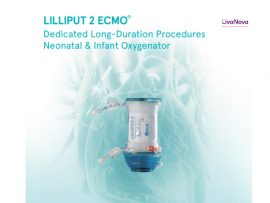
Abstract Background Veno-venous extra-corporeal membrane oxygenation (VV-ECMO) is a form of mechanical respiratory support for critically ill patients with severe acute respiratory distress syndrome (ARDS). Using a large intravenous line in..
Read More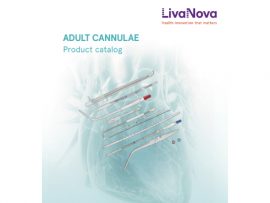
Abstract CONTEXT: Conventional MRI is incompatible with extracorporeal membrane oxygenation (ECMO) cannulas and pumps. Ultra-low-field portable MRI (ULF-pMRI) with 0.064 Tesla may provide a solution, but its safety and compatibility..
Read More
Abstract In recent decades, the use of veno-arterial extracorporeal membrane oxygenation (VA-ECMO) has increased. In acute cardiogenic shock, VA-ECMO implantation can serve as a bridging solution to facilitate recovery, provide..
Read More
Abstract Background The intra-aortic balloon pump (IABP) technique plays a crucial role in providing circulatory support for patients experiencing hemodynamic instability. This study aimed to assess the effectiveness and safety..
Read More
Abstract Cardiogenic shock is a critical condition that affects up to 10% of patients hospitalized with acute myocardial infarction (AMI), representing the primary cause of death in this group [, ]...
Read More
Abstract Background Analyses of extensive registries indicate adverse outcomes for women undergoing coronary artery bypass grafting (CABG) surgery, while randomized studies often lack representativeness. Objective To compare adjusted hospital outcomes..
Read More
Abstract Extracorporeal membrane oxygenation (ECMO) is a lifesaving treatment for critically ill patients in cardiac or respiratory failure refractory to conventional treatment. Patients on an ECMO circuit (pump, oxygenator, tubing)..
Read More
Abstract Background: Veno-Arterial Extracorporeal membrane oxygenation (VA-ECMO) provides temporary cardiopulmonary support in the setting of refractory cardiogenic shock. Mechanical ventilation and sedation often accompanies VA-ECMO support and carry the increased risk..
Read More
Abstract Mechanical ventilation (MV) strategies in children on extracorporeal membrane oxygenation (ECMO) have not been studied much and the ventilatory parameters to avoid greater lung damage are still unclear. Our..
Read More
Abstract The gut microbiome of infants with congenital heart disease (CHD) undergoing cardiopulmonary bypass surgery (CPB) is at risk of profound alteration. The aim of this study was to examine..
Read More
Abstract Transthoracic echocardiography is an essential tool for the management of venoarterial extracorporeal membrane oxygenation (VA-ECMO). Its ease of access makes it ideally suited for routine daily bedside assessments, which..
Read More
Abstract Terminal heart failure presents challenges, requiring cardiac transplantation, or mechanical circulatory support. Limited donor organ availability has made mechanical support crucial. Advances in centrifugal-flow systems, compared to axial-flow, have..
Read More
Abstract Anomalous left coronary artery from the pulmonary artery (ALCAPA) is an uncommon life-threatening congenital heart defect that occurs mostly as an isolated lesion. It is very rarely associated with..
Read More