
Constrictive pericarditis
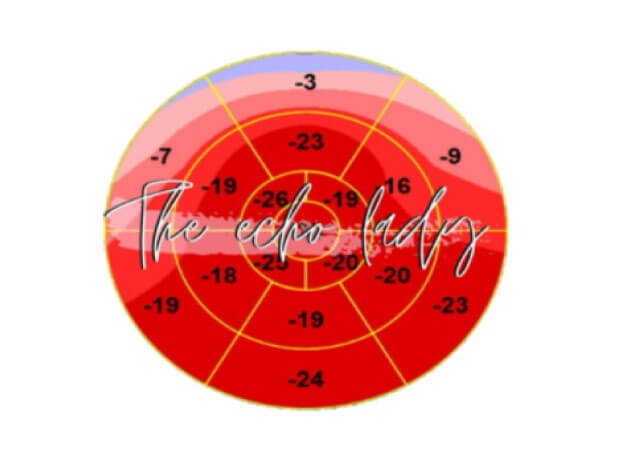

52 years old male patient with constrictive pericarditis after a CABG in 2018.
Constrictive pericarditis is a potentially curable condition caused by a variety of situations which result in inflamed, scarred, thickened, or calcified pericardium.
When the abnormal pericardium limits diastolic filling, there are a series of hemodynamic consequences which manifest as fatigue, dyspnea, abdominal bloating, peripheral edema, or right heart failure.
There are several unique features of constriction that allow a reliable diagnosis, those features are:
• Respiratory variation in ventricular filling
• Interventricular dependence
• Augmented longitudinal motion of the heart.
Respiratory variation in ventricular filling arises from the dissociation of intrathoracic and intracardiac pressure change and enhanced ventricular interaction in constrictive pericarditis.
Since echocardiography is usually an initial diagnostic test to evaluate such patients, the following features can aid in the diagnosis of constrictive pericarditis:
• Ventricular septal motion abnormality (from ventricular interdependence)
• Medial mitral annulus e’ velocity ≥ 9 cm/sec
• Hepatic vein expiratory diastolic reversal ratio ≥ 0.79
• Restrictive mitral inflow velocity (E/A ratio > 0.8)
• Plethoric inferior vena cava.
The echo lady; Lorena De Vanna, is a cardiac and respiratory physiologist graduated from the Central University of Venezuela.
She currently holds British Society of Echocardiography accreditation and works as a Chief cardiac Scenographer in England.